
The NASCAR Gander Outdoors Truck Series has evolved a great deal since making its debut in 1995.
The NASCAR SuperTruck Series was born in 1995 before changing into the Craftsman Truck Series the following season. It became the Camping World Truck Series from 2009 through 2018 before adopting a new name for the coming season as title sponsor Gander Outdoors takes over.
In its early days, the Truck Series was a mix of veteran drivers from a variety of racing disciplines including stock cars and open wheel racing with USAC midget and sprint car pilots well represented. Names like Mike Skinner, Ron Hornaday, Todd Bodine, Jack Sprague and Joe Ruttman dominated the early years. Later Johnny Benson, Ted Musgrave, Bobby Hamilton and Mike Bliss made their mark.
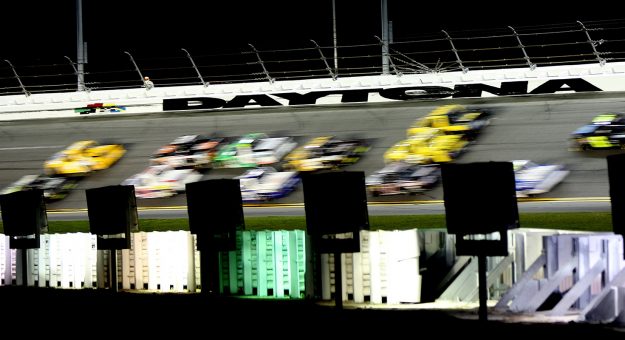
 Eventually younger drivers found their way into the series to mix it up with the veterans. Greg Biffle cut his early NASCAR national tier teeth in the Truck Series before moving on to the Xfinity and Cup Series. Kurt and Kyle Busch also came through the division and as the years went by the evolution of the Truck Series into a younger drivers game was on.
Fast forward to the 2019 campaign and that’s never been more evident. While a handful of experienced drivers remain, including Matt Crafton and until last week’s news he was out at GMS Racing Johnny Sauter, an influx of very young talent dots this season’s roster.
Like Christopher Bell, Noah Gragson, Chase Briscoe, Tyler Reddick and Erik Jones – just a few of the drivers in recent years to use the series as springboard to other opportunities – this year’s group will try to march up the racing ladder.
See Also: 2019 Gander Outdoors Truck Series Schedule
The identity of the series has undergone a dramatic change because of this youth movement. While the early days of the division had a distinctive veteran flavor of drivers who competed in the series as a destination, today’s Truck Series is much more developmental than ever before. The Xfinity Series mantra of “Names are made here” could easily be applied to the Truck Series based on the recent success of so many young drivers.
The Truck Series also has the most diverse schedule among NASCAR’s top tier, which also provides a unique aspect. Superspeedways, intermediates, short tracks, a road course and even a dirt track comprise this year’s slate. That provides the kind of variety fans have been clamoring for and what may lie ahead in both the Xfinity and Cup Series if the anticipated 2020 schedule shake-up does indeed transpire.
This is not your father’s NASCAR Truck Series by any means. But its eclectic mix of drivers and venues is set to hopefully capture the interest of today’s fan and build for the future.
Next month, Motor Racing Network will debut a 10-part podcast series on the history of the Truck Series. Be sure to follow @MRNRadio for details on the release date for the first episode.


