WATKINS GLEN, N.Y. — The NASCAR Cup Series had never tackled the historic 2.45-mile twist and turns of Watkins Glen International before the month of August … until this weekend. With the race pushed up some 90 days, it’s led to a host of unanswered questions.
The ambient temperature in New York’s Finger Lakes region hit the 90-degree barrier on race day last August, one of the warmest races in track history despite the sun blistering the area during the summer months. The projected high on Mother’s Day is a crisp 63 degrees, according to the National Weather Service.
MORE: Starting lineup | Watkins Glen photos
Naturally, that will lead to a drastic track-temperature swing come the green flag of Sunday’s Go Bowling at The Glen (3 p.m. ET, FS1, HBO Max, MRN Radio, SiriusXM NASCAR Radio). Goodyear is returning the same road-course tire that debuted last year, creating more tire wear throughout the course of a run and throwing teams for a loop with ill-handling cars in practice.
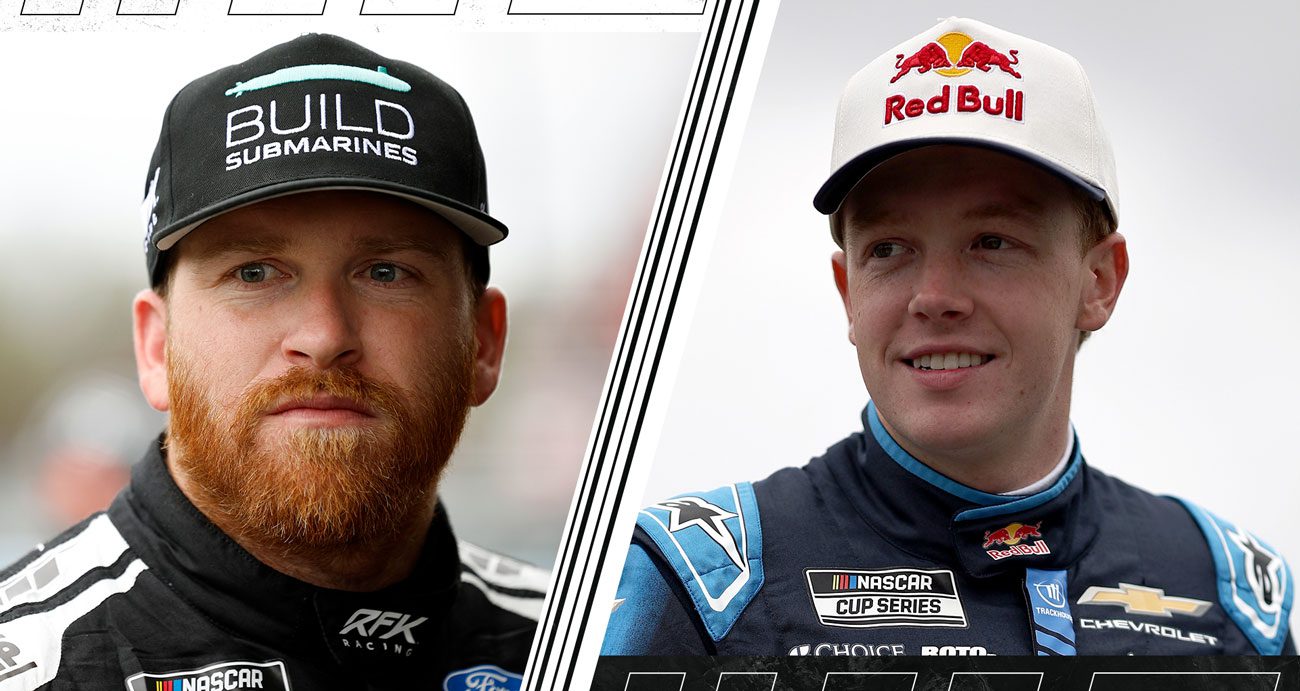
“We had higher track temps, like 120 degrees throughout the (August) race, which was one of the hotter ones we’ve had in a while, which I feel like led to some of the [tire] falloff,” Scott Graves, crew chief for Chris Buescher’s No. 17 RFK Racing Ford and native to nearby Union Springs, New York, an hour northeast of Watkins Glen, told NASCAR.com. “If it’s dry and we’re around 60 degrees, partly cloudy — we’re going to see cooler temps. The big question we have is how much that affects the falloff. Does it look more like traditional Watkins Glen, where it’s lower falloff?
“The tire is designed to have some falloff to it, but these temperatures might bring some of that back to us a little bit.”
Tire falloff showed up in spades during Saturday’s practice session, with multiple drivers out of control while soaring through the esses. A dust of marbles was trailed around the course after practice, with the track crew having to bring out the sweepers before qualifying began.
RELATED: Watch NASCAR video highlights
Despite Watkins Glen normally being a high-speed road course in the warmth, the cooler temperature has brought out even more pace. Another curveball could be the implementation of the 750-horsepower package, which made its road-course debut at Circuit of The Americas in early March.
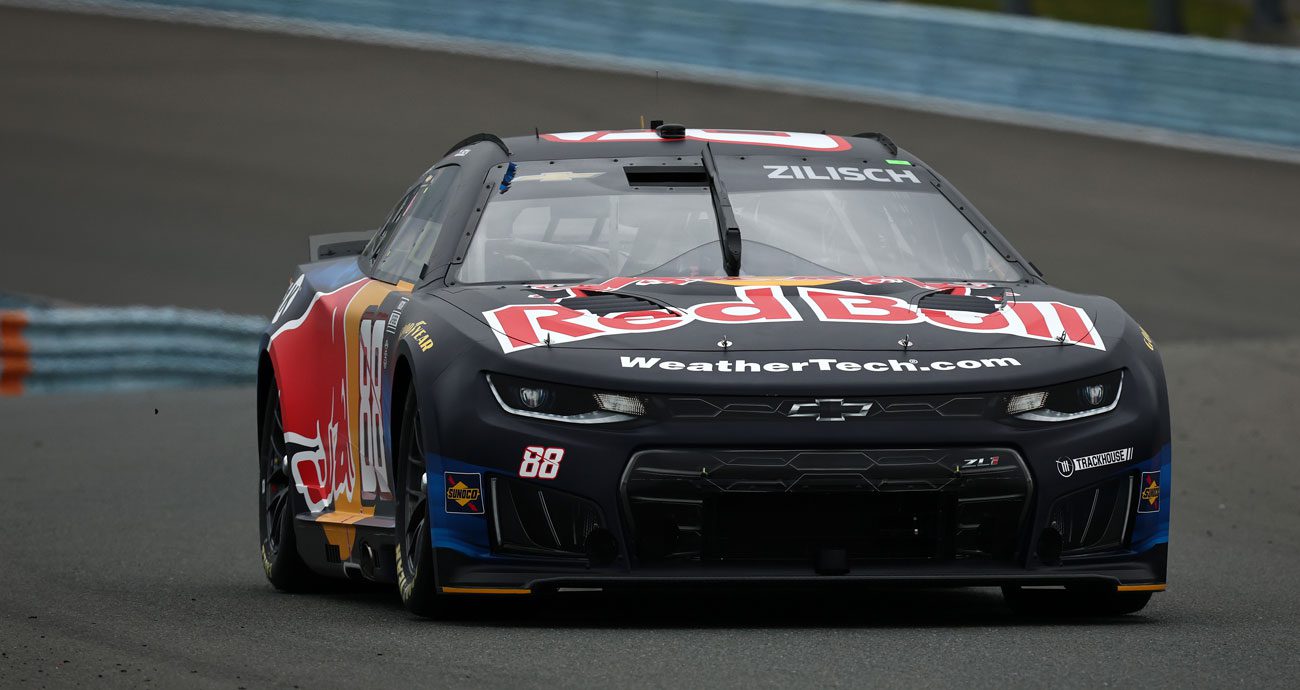
“I would imagine with the cool temperatures, the pace being faster, it will be even harder to pass than it normally is here from the additional grip of the lower temperatures,” Randall Burnett, crew chief for Connor Zilisch’s No. 88 Trackhouse Racing Chevrolet, told NASCAR.com. “I think you will get a little more tire wear and tire slip, especially in the rears with the additional horsepower. The pace should be faster, so you’re going to wear the tires more, in general.
“I think you will see a little more falloff. I don’t think it will be dramatic, but I think it will be more than the past.”
Add in that the race distance was extended by 10 laps this year, and there could be an impact on in-race strategy. Teams still have the option of splitting their race into a two- or three-stop event. But teams that flip the first stage, which ends at Lap 20, shouldn’t be able to stretch their fuel mileage until the midway point of the final stage, like years prior.
“One of the strategies, if you were doing two stops, you could pit before the end of Stage 1 and not again until the middle of Stage 3 when you got to the fuel window — it eliminates that version of it,” Graves said. “If you are looking at a two-stop, it changes that up. If you are looking at a three-stop, it doesn’t change if you are going to do before the stage break kind of thing and doesn’t change that up a whole lot. It does make it a little different if you are trying to play some of those long-shot moves.”
MORE: Paint Scheme Preview
Burnett added: “You are not going to be able to short the first stage and make it to the end on one more stop. With the stage points meaning so much now and the points not having to win to be locked in [the postseason] anymore, I think some guys could [go for] stage points, especially the guys that don’t feel like they might have a shot at winning. Those guys might try to risk that and get stage points.”
And even while Graves, who moved away from New York in the mid-1980s, is accustomed to the damp Empire State spring conditions, he doesn’t believe that gives him a leg up on the competition. Instead, he’s going to rely on Buescher’s road-course prowess, as he leads the league with an average finish of 9.67 on road courses in the Next Gen era with drivers that have made at least 14 starts. Meanwhile, Zilisch is highly regarded as one of the best NASCAR road-course competitors, even though he’s a rookie.