
NASCAR.com’s Pat DeCola ranks the top 20 Cup Series drivers competing for the 2026 championship after Chase Elliott’s win at Texas Motor Speedway and before Sunday’s Go Bowling at The Glen Watkins Glen International (3 p.m. ET, FS1, HBO Max, MRN Radio, SiriusXM NASCAR Radio). Shane van Gisbergen enters as the defending winner.
RELATED: 2026 Cup Series schedule | Cup Series standings
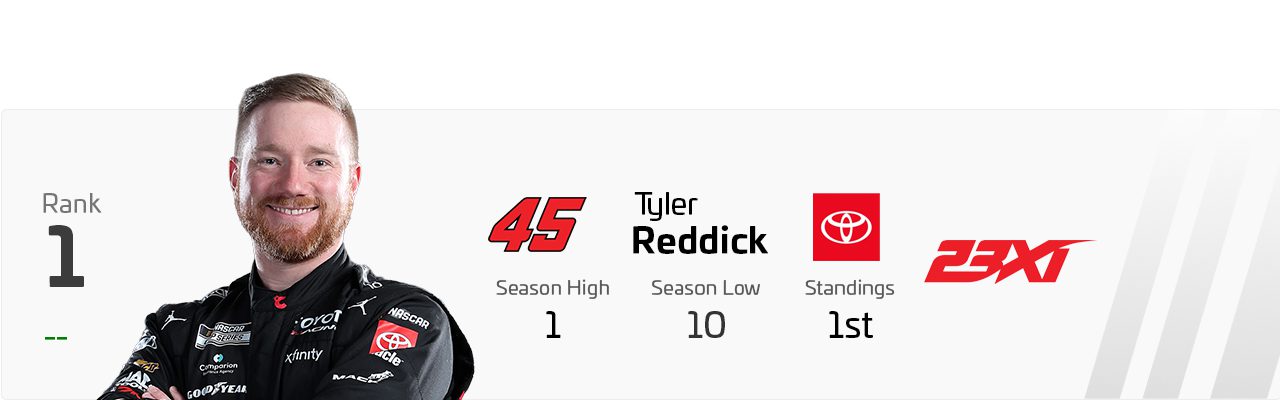
Analysis: Reddick didn‘t need to win Texas to tighten his grip, so he’ll take a fourth-place finish via a late two-tire call that vaulted him forward in the final stage and kept him firmly atop the standings with a triple-digit cushion. He wasn‘t the fastest car, but he was in position when it mattered … again. Five wins, elite consistency and a strong road-course profile (plus four top 10s in five Watkins Glen starts) make this a chance to extend, not just defend, his points lead. The gap isn‘t shrinking at all, and he‘s not quite giving anyone an opening to make a run at it.

Analysis: Hamlin did everything but win at Texas, finishing second after running inside the top five for most of the day and putting himself in position late, only to come up short again. He‘s now stacked multiple runner-ups since winning at Las Vegas earlier this year. Watkins Glen offers another shot at victory, with nine career top 10s there, including a win.
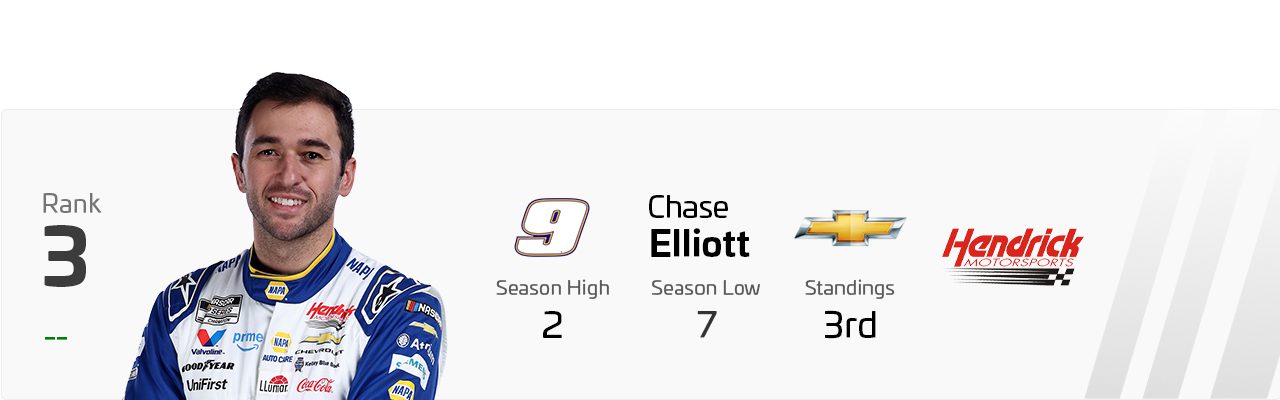
Analysis: Elliott and the No. 9 team are making a lot of preseason pundits who said he would excel in this revamped championship format look wise, and a second win this early in the season hints at 2026 having career-year potential. A two-tire call flipped track position late, and from there he led 87 laps and executed perfectly on the final restart to hold off Hamlin in a pressure moment. Now with a pair of victories in his pocket and momentum building, Elliott heads to Watkins Glen — once considered one of his best tracks — as a threat to stack another.
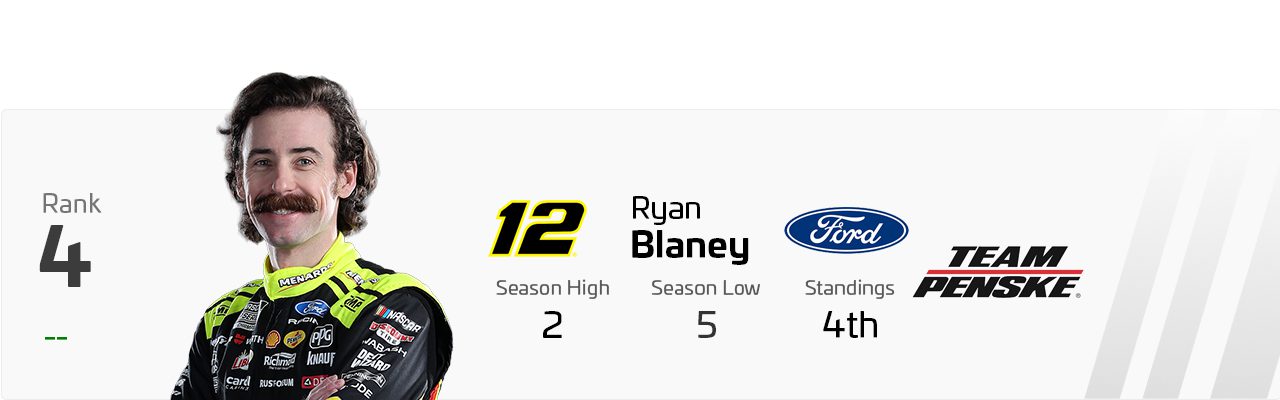
Analysis: Blaney‘s 10th-place finish came after starting 31st, once again a solid recovery through the field that reflects the team‘s ability to salvage days when not dominating them. Watkins Glen is more solid than spectacular for him, with one top five, four top 10s, one pole and a 15.0 average finish in nine starts. The issue isn‘t whether Blaney is good — he clearly is — it‘s whether the No. 12 team as a whole can find the next gear while Elliott is starting to make a louder statement.
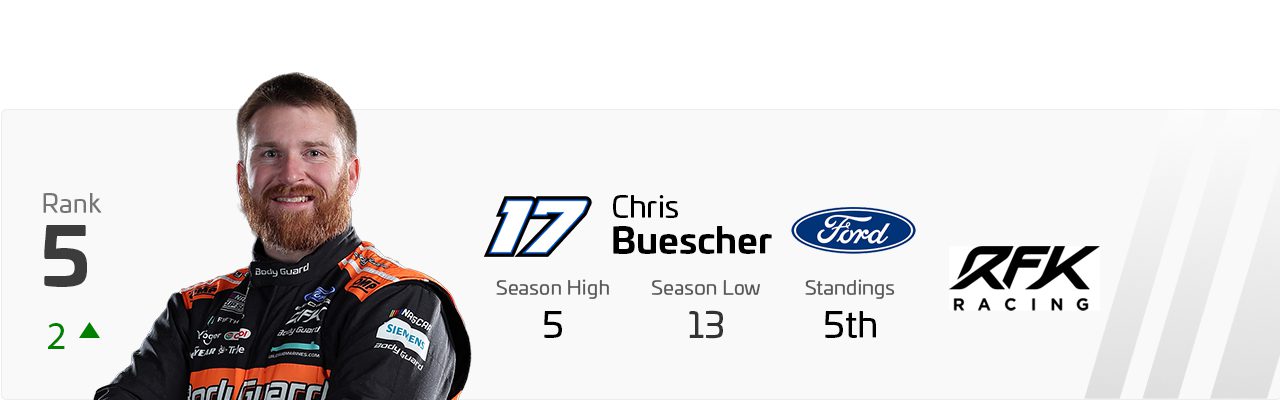
Analysis: Buescher backed up the Talladega runner-up with another excellent run at Texas, finishing fifth for his first top 10 at his home track in 17 tries and his first back-to-back top fives since June 2024. The Glen is friendly territory, too, winning there in 2024 and being among the drivers to beat in general at the track this decade. Buescher enters as one of the few recent Cup winners at the track and one of the hottest non-Reddick/Elliott/Hamlin drivers in the garage.
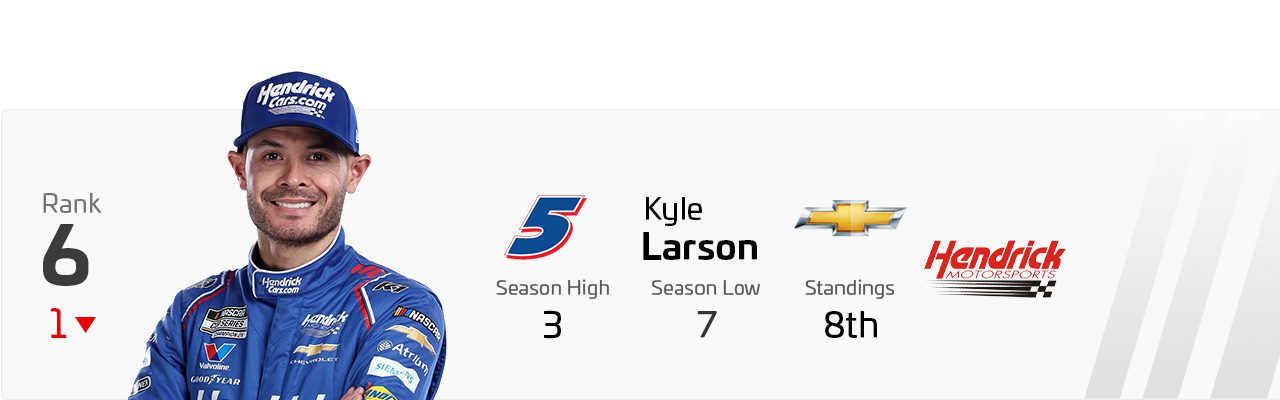
Analysis: Larson‘s Texas race was another frustrating miss, ending after he lost it and hit the wall on Lap 160 in a race he was expected to win. He finished 34th, scored just three points and slipped again in the standings, as his title defense begins to fray a bit. Watkins Glen is an obvious reset button, with two wins, three top fives, five top 10s and a 14.6 average finish in 11 starts.
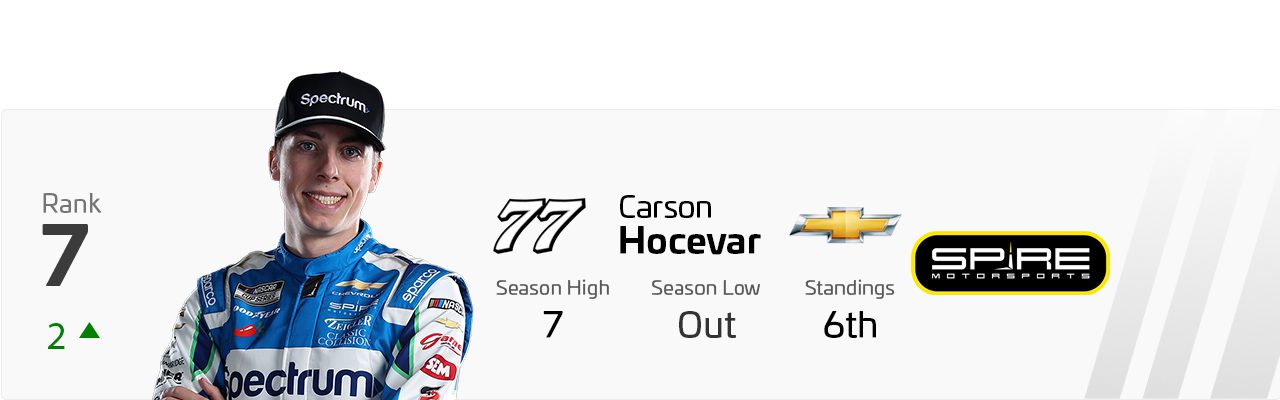
Analysis: Hocevar wasn‘t just a nice story at Texas to follow up his landmark Talladega victory — Sunday’s pole-starter was a legitimate factor. Hocevar wound up with 40 laps led and a seventh-place finish, giving him 96 points over the last two weeks and a move to sixth in the standings. Watkins Glen is a fascinating next test, because the early returns are strong: two starts, one top five, one top 10, one lap led and a 10.5 average finish. He‘s still ironing out the edges, but the speed is no longer surprising; the question is how quickly “fast enough to matter” becomes “polished enough to keep winning.”
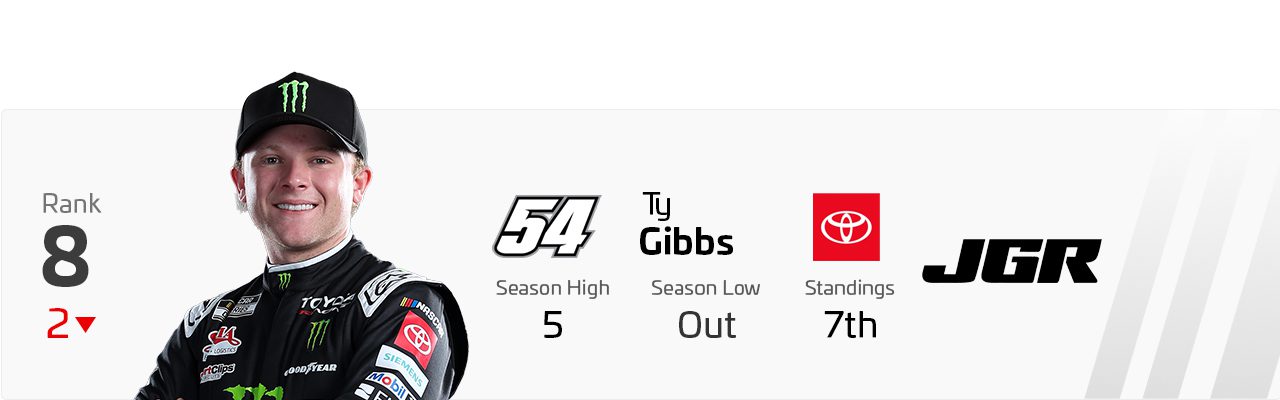
Analysis: Texas was a hard stop after his recent Bristol breakthrough, with Gibbs crashing out after a run-in with Ryan Preece and finishing 36th. He did at least score Stage 1 points before the race got away, but the overall result knocked him from fifth to seventh in the standings. The Glen has been more promise than payoff so far, with four starts, one top five, one top 10 and a 21.5 average finish — though his 12.3 average start suggests the speed has generally been there. This weekend feels like a good measuring stick for whether Bristol was the start of a serious climb or just a temporary spike.
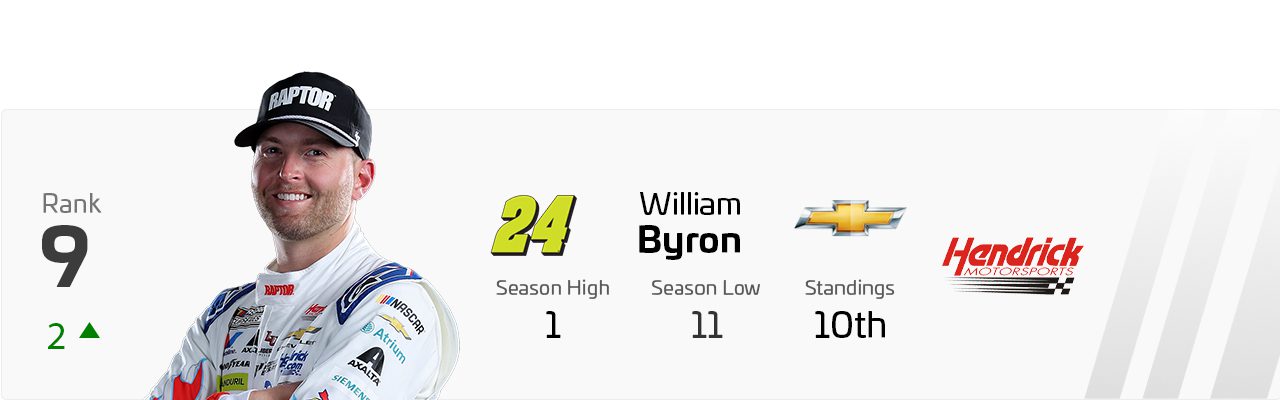
Analysis: Byron had one of those sneaky good survival days at Texas, spinning from seventh on Lap 93 and still clawing back to finish eighth. That gave him six top 10s in his last eight races, which is the kind of understated consistency that can get lost when he‘s not dominating like normal. Watkins Glen lines up well for a more obvious statement, with Byron owning a win, two top fives, four top 10s, 66 laps led and a strong 8.6 average start in seven races. He hasn‘t had the typical weekly “No. 24 is inevitable” feel yet, but this is a very reasonable place for that to come back around.
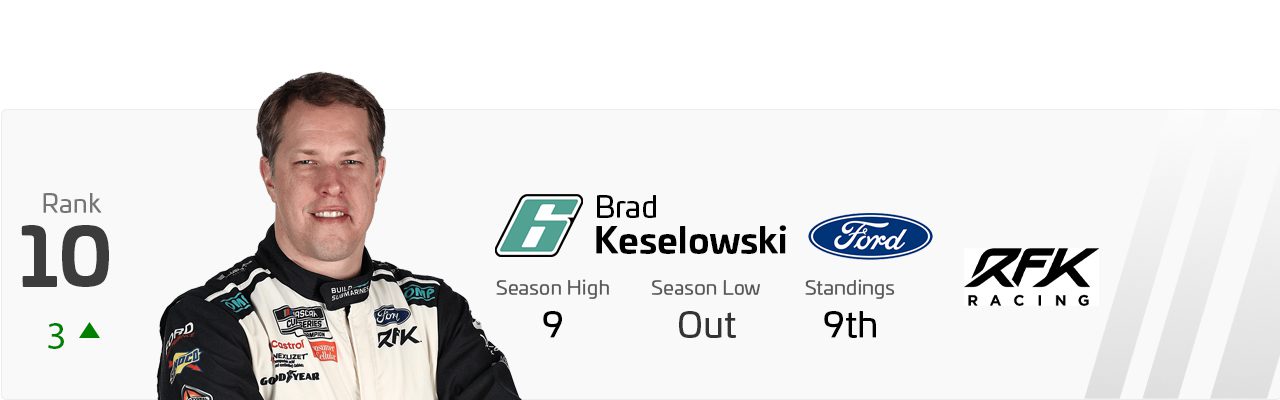
Analysis: Keselowski had a better Texas than 13th suggests, using strategy to get to the front, leading four laps and finishing third in Stage 2. It wasn‘t the full result, but it was another competitive RFK showing on a weekend where he and Buescher (and to a lesser extent Ryan Preece) continued to validate the organization‘s 2026 pace. Watkins Glen has been a longtime good-not-great place for him, with a handful of runner-ups included in his winless 15 starts, four top fives, six top 10s, 128 laps led and 15.9 average finish.
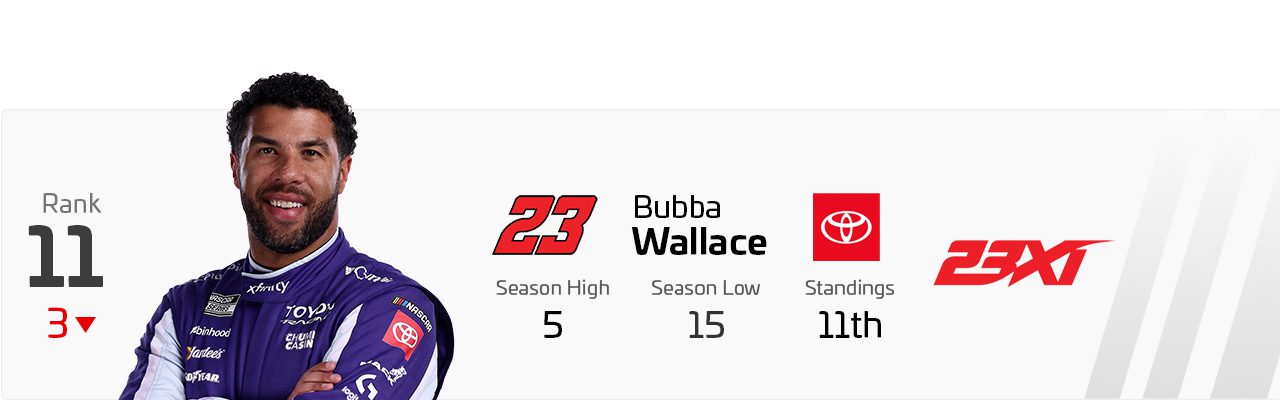
Analysis: Wallace‘s Texas result was impressive, starting from the rear in a backup car and still finishing ninth in a tumultuous day for the field. He also had the fastest four-tire pit stop in NASCAR history at 8.62 seconds … but that could all come to a halt this weekend, and his slide could continue. Watkins Glen has not been a source of much magic for Wallace, with just one top 10 and a 21.1 average finish there in the veteran’s career.
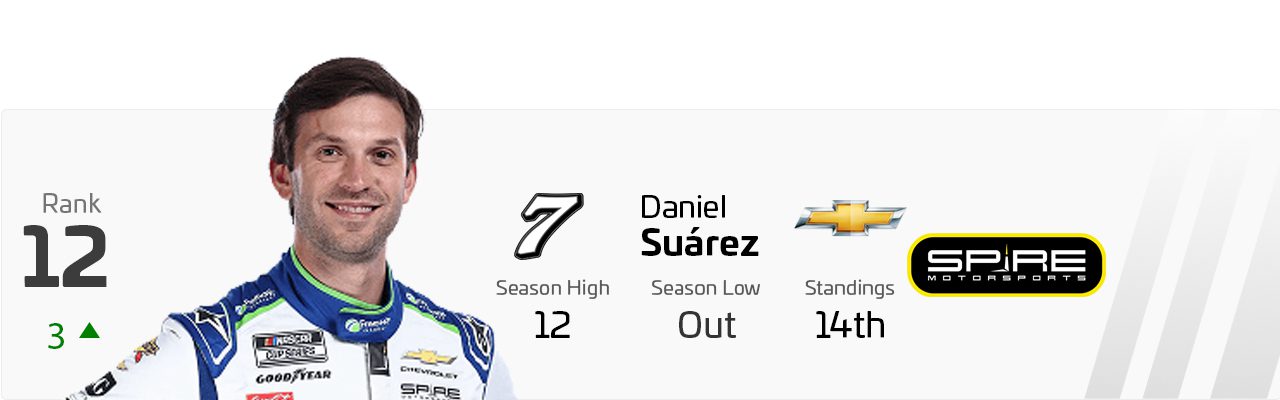
Analysis: Suárez continues to be one of the most notable yet unheralded stories on the board, finishing sixth at Texas for his fourth straight top 10 at the track and gaining 23 points on the cutline. He also spent a healthy chunk of the race in the top five conversation, which made the result feel earned rather than inherited through chaos. Watkins Glen has been similarly useful for him, with three top fives, four top 10s and a 12.8 average finish in eight starts. He‘s not driving like a title threat, just yet, but he is driving like a guy who belongs in this top 20 and could keep grinding his way into safer playoff footing, especially as Spire Motorsports as a whole continues to round into a playmaker.

Analysis: Bell‘s Texas race was brutal, mostly because it looked so good before it went bad … like much of his season in general so far, typically through no fault of his own. He led 22 laps and was battling Hamlin for the lead when Todd Gilliland‘s spin clipped him and sent the No. 20 hard into the wall, leaving Bell last for the day and dropping him four spots in the standings. Watkins Glen is arguably the best possible place for him to stop the bleeding, because his track record there is excellent: five starts, two top fives, four top 10s and a series-best 6.8 average finish. The speed is not the concern; the concern is how many more weeks like this he can absorb before the season starts looking unrecoverable from a points perspective.
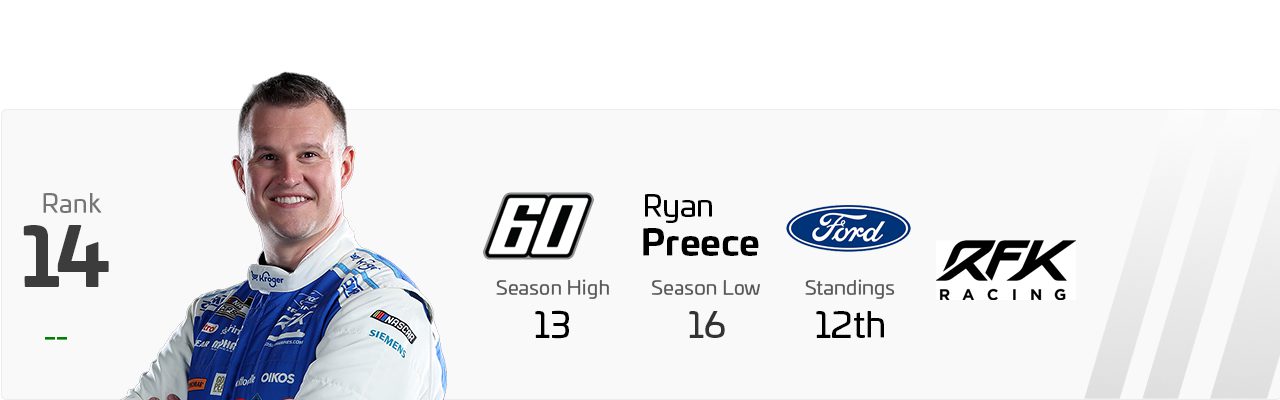
Analysis: Preece didn‘t have a headline Texas race, but 14th with fifth-place Stage 2 points is exactly the kind of day that keeps him comfortably inside this group as he still searches for a first Cup Series win. He‘s now 12th in the standings, which remains one of the more quietly impressive developments of the season as we begin to hit the meat of the schedule. Watkins Glen is more of a prove-it spot, with one top 10 and a 20.6 average finish in five starts. The RFK speed has been there more weeks than not, but this is a track where Preece probably needs strategy, execution and a little attrition to keep the run going.
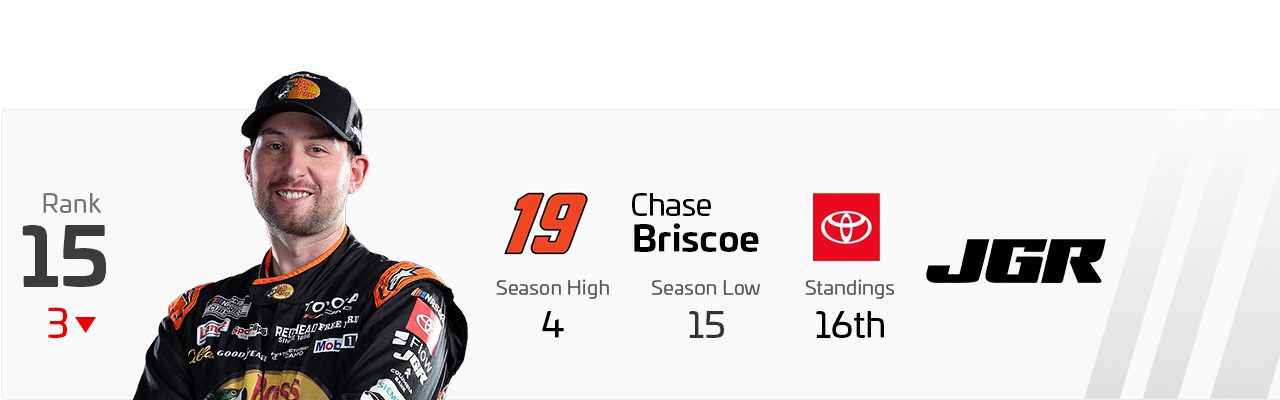
Analysis: Briscoe‘s Texas day started with promise — he led four laps, scored Stage 1 points and was part of the early JGR strength as one of the race favorites — but it turned into a 23rd-place finish after errant pit-road contact, loss of track position and an eventual lap-down result. That‘s been too much of the No. 19 season so far: flashes, then mess. Watkins Glen gives him a better runway, with one top five, three top 10s, 13 laps led and a 16.0 average finish in five starts. He‘s only seven points above the cutline, though, so “solid” probably isn‘t going to be enough for much longer.
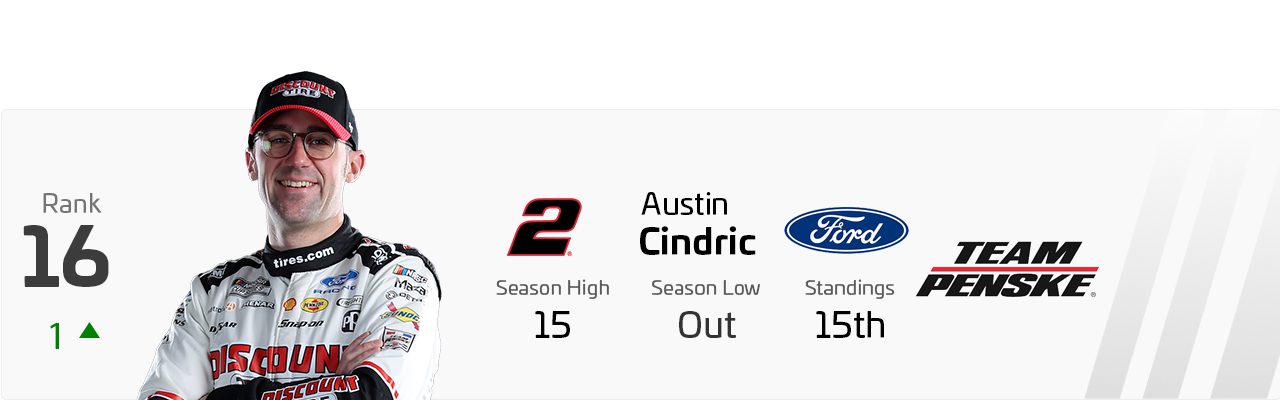
Analysis: Cindric landed 15th at Texas, which is about where this team has lived since an uptick in mid-March, which is useful enough to stay afloat, but not loud enough to move the conversation into title talk just yet. He did gain nine points on the cutline, but he‘s still only 13 points to the good. The Glen is interesting, though, because his Cup numbers have borne out his road-racing background there with four starts, one top 10, a 10.8 average start and a 13.8 average finish. If there‘s a week for Cindric to look a little more like the polished version of himself, this is it.
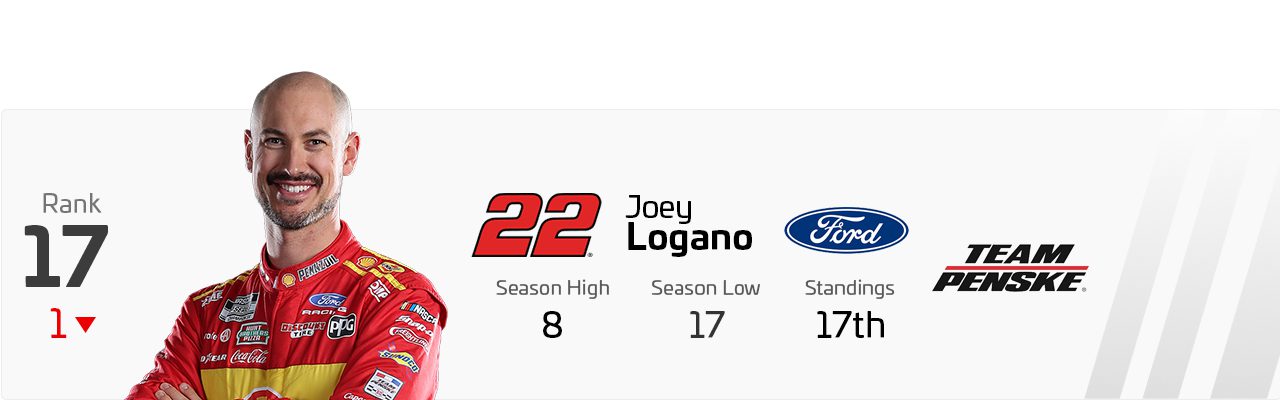
Analysis: Logano‘s spiral continued at Texas in the most annoying way possible, with heavy pit-road damage after Cole Custer slowed to avoid Ty Gibbs, ending the No. 22‘s day after 95 laps … after he just narrowly and miraculously avoided an on-track collision. He finished 37th, scored one point and fell seven points below the cutline. That said, Watkins Glen has been good to him historically — one win, four top fives, seven top 10s and a 15.6 average finish in 16 starts — but history only matters if the present stops sputtering.
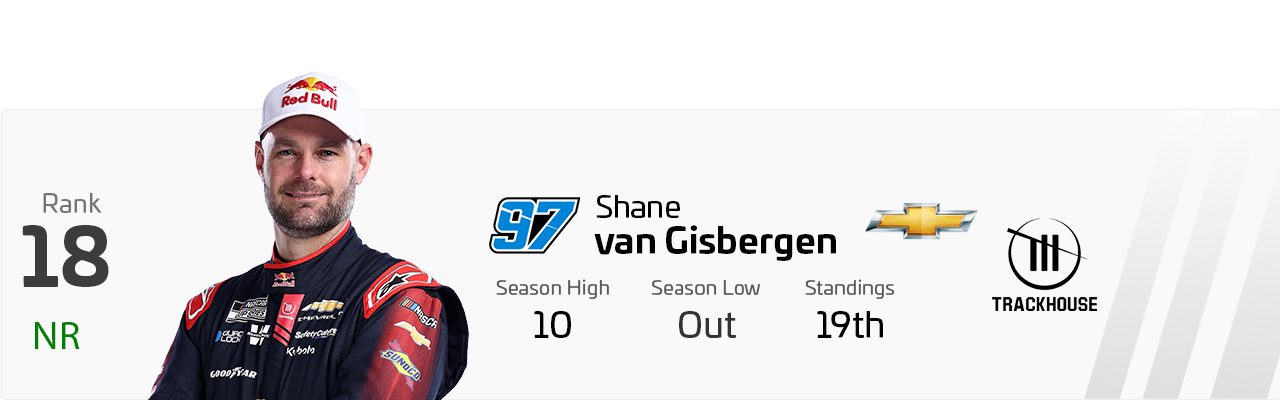
Analysis: SVG was quiet but solid at Texas, finishing 17th and gaining a few points on the cutline, but he can expect to be the center of attention this weekend. Already looking for his third top-two finish in what will be his third Watkins Glen start, last year’s defending winner should be able to make his mark and begin his ascent up the standings this weekend. The field has every reason to be concerned.
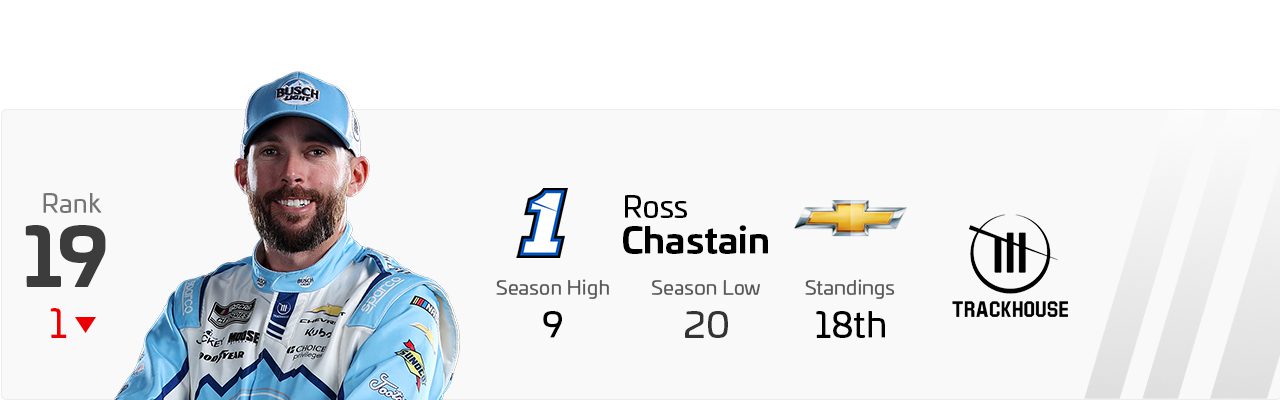
Analysis: Chastain finished 26th at Texas after a speeding penalty during green-flag stops knocked him backward, continuing a stretch where the No. 1 just hasn‘t felt all that present. He‘s now 26 points below the cutline, which is getting deep early for a driver and team used to being much more central to the weekly conversation. Watkins Glen at least offers some reasons for optimism, with one top five, two top 10s, a pole and 51 laps led in seven starts. But a 17.7 average finish there also tracks with the larger issue: the flashes are still there, but the sustained results are not.
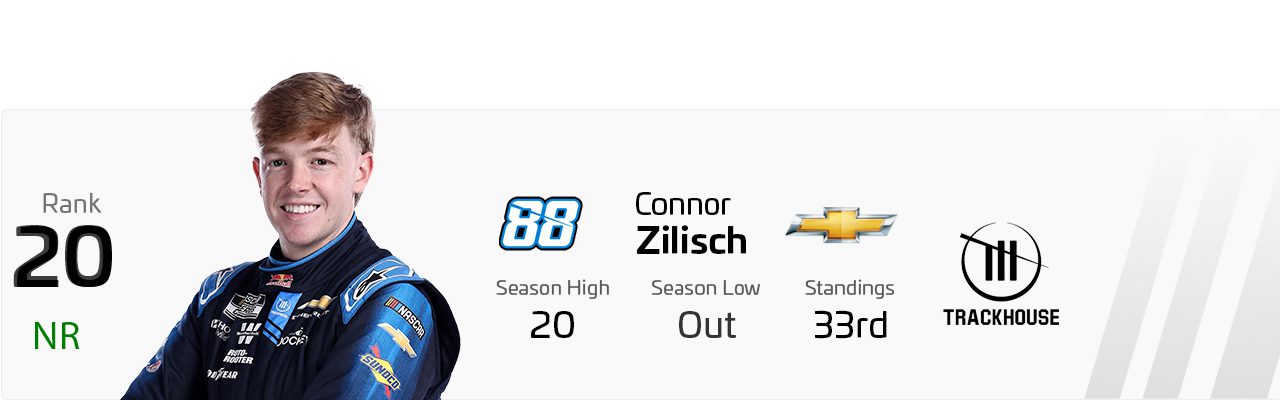
Analysis: Aaand he’s back. Zilisch‘s 16th-place run at Texas was the kind of result that matters more than it looks like, marking both his best qualifying effort of the season and his best Cup finish on an oval. For a rookie still building a full Cup résumé, that‘s a real step forward, especially with the weekend ahead. The Watkins Glen outlook is even stronger, considering he won the O’Reilly Auto Parts Series race there from the pole in both 2024 and 2025. There’s a high likelihood Zilisch earns his first real Cup Series moment this weekend.