
There are a number of policies being used in NASCAR’s return to racing that could become staples of the sport in the future.
Since NASCAR got back on track May 17th at Darlington Raceway, the schedule of national tour races has been fast and furious. The sanctioning body’s goal was to make up any of the races postponed due to the COVID-19 crisis and so far NASCAR has delivered on that promise. The Cup Series, Xfinity Series and Gander RV & Outdoors Truck Series have all been in an accelerated schedule making up for that lost time.
In order to execute these events in for what appears to be a fan less environment for at least the foreseeable future, NASCAR has had to implement many different procedures not typically used in a normal season. The safety and health of those at track including drivers, team members, officials, track personnel and media continues to be paramount and has generated the need to do things differently. While it’s a small sample size, some of what’s being done could conceivably become standard operating procedure down the road:
LIMITED PRACTICE
Getting each division in and out of the track in one day has necessitated eliminating both practice and in most cases qualifying. Cars and trucks get to the facility, are unloaded and put through technical inspection before being sent to the grid. The first laps of any event don’t usually come until the green flag waves to start the race. While it’s not ideal and both practice and qualifying will eventually return to a standard weekend itinerary the situation has raised the question of how much track time teams will get in the future. It’s more than apparent the on track product hasn’t suffered due to the lack of practice. Using a formula that combines the point standings, the previous race’s finish and a random draw has added spice to starting lineups. Much less practice and a streamlined qualifying system could both be positive by products of the current situation.
SHORTER RACES
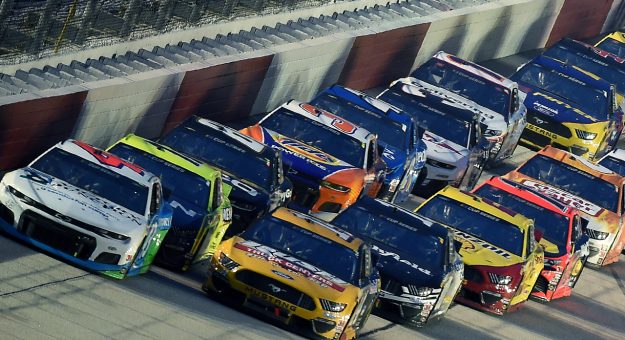
Darlington’s 500 kilometer/311 mile second Cup race, although ultimately shortened 20 laps by rain, checked a lot of boxes. The race distance didn’t allow drivers to just log laps to get to the final outcome. Of course the impending weather also forced the issue of immediacy and upped the intensity levels behind the wheel. Plus the three-hour broadcast window was the perfect fit for the midweek, prime time affair. There is still a place for 500 mile races in the NASCAR Cup Series but that appetite is waning. A tighter race has the potential for better competition and more meaningful on track moments. It’s a recipe that should be considered implementing in future schedules.
MIDWEEK RACES
The Wednesday night Darlington race was the first midweek, prime time Cup race of what will be a series of others this summer as the sport continues to make up lost dates. I’ve long been a proponent of the idea and NASCAR took the opportunity under these extreme circumstances to give it a try. The television audience was solid if not spectacular and with the live sports landscape to itself at least through mid-July, scheduling more midweek races will provide a good gauge of interest.
The opinions expressed here are those of the writer and do not necessarily reflect the positions of the Motor Racing Network.


