
There have been momentous decisions made since the birth of NASCAR in 1949. Each changed the fabric of the sport and for better or worse, sent it in a different direction.
Four particular choices stand out as tentpoles in NASCAR’s history.
In 1972, the start of what’s considered “The Modern Era” was the first landmark move. Series sponsor RJ Reynolds helped usher in a drastically streamlines schedule that took NASCAR’s top tier from upwards of 50 events a year to a then 28 race calendar, which is still the foundation of today’s Monster Energy NASCAR Cup Series slate.
The 2004 campaign ushered in the controversial “Chase,” now known as the Playoffs. Essentially breaking the schedule into a regular season and Playoff run to determine the championship, the idea radically altered how NASCAR titles were previously determined.
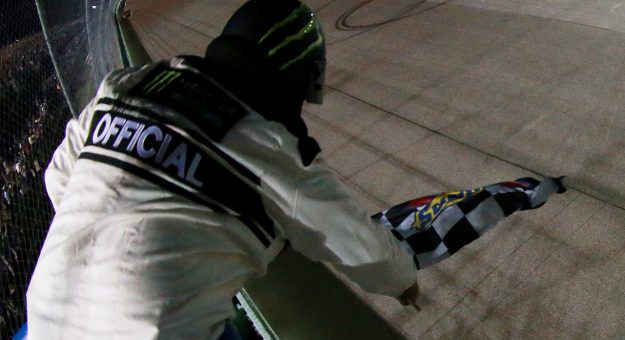
Two years ago the sport underwent another significant alteration when stage racing debuted. The idea of a just a green flag to start and checkered flag to finish a race went away with the incorporation of scheduled breaks, providing drivers opportunities to race harder at earlier intervals to earn points and their valuable Playoff implications.
This week another sea change hit the sport when the sanctioning body announced its intention to strip wins away from drivers piloting cars that fail post race inspection.
“If you are illegal, you didn’t win the race,” said NASCAR executive vice president and chief racing development officer Steve O’Donnell during Monday’s announcement.
Amen and hallelujah.
See Also: Competition Model for 2019 Adds Disqualifications
No longer will the antiquated notion of fans needing to “know” who won the race on the day it was run be forced fit into the 21st century. When NASCAR founder Bill France made that proclamation it was long before the onslaught of technology that has created today’s world of instant access.
Gone now are the days of waiting two or three days for cars to come back to NASCAR’s R&D Center for a more detailed inspection and subsequent potential penalties found in the aftermath. Wednesdays just got a lot more enjoyable.
What remains to be seen is if the bold move to “change the culture,” as O’Donnell also stated, works. The “you ain’t trying if you ain’t cheating” mantra might have worked in the early years after the sport sprung from its outlaw, moonshining roots. But in today’s ultra competitive world of professional sports and entertainment, no league or sanctioning body linked to anything remotely associated with cheating cuts it.
However there is no doubt someone will run afoul of the rules again and receive the dubious distinction of being the first driver to feel the wrath of NASCAR’s new law. Changing the culture won’t happen overnight in a garage filled with people consumed by the quest of finding the ever-elusive “gray area” and then exposing it for a competitive advantage.
But finally the idea of a car outside the boundaries of the rules being successful and celebrated over those who played it fair are over.
It’s about time.
The opinions expressed here are those of the writer and do not necessarily reflect the positions of the Motor Racing Network.


